
Hot Water Rerouting in Murrieta, CA & Surrounding Areas
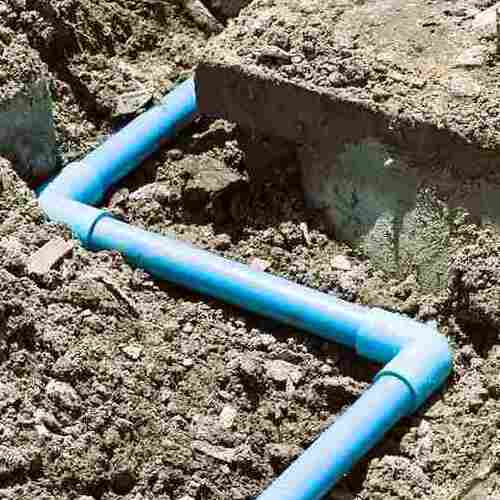
Hot Water Lines Fail First
Of the copper lines under a slab, the hot side almost always goes first. Hot water moves faster through the metal, carries the valley's hard minerals, and puts the pipe through a heating and cooling cycle every time someone opens a tap. The classic warning sign is a warm spot on the floor you can find in bare feet, often along with a water heater that seems to run constantly and a gas or electric bill creeping up with it.
What a Hot Water Reroute Is
Instead of breaking through the slab to chase the leak, we abandon the failed under-slab section and run a new insulated hot line overhead through the attic and down the walls to the fixtures it serves. The concrete stays closed, and the new run is accessible for good. One of our recent jobs in San Diego started as water showing up on a garage floor; leak detection confirmed a hot water slab leak, and a hot water reroute fixed it without opening the slab.
A Reroute Is Also an Upgrade Opportunity
Because the new line is being run fresh, it is the natural moment to improve how hot water gets delivered. We insulate the full run, which the original under-slab line never had. And where it makes sense we can add recirculation, so hot water is waiting at the far fixtures instead of running down the drain while you wait. That is not theory for us: a recent Hemet installation paired a Navien 240A tankless unit with an internal recirculation pump, new copper and a rebuilt gas connection for exactly that reason.
How the Job Goes
Detection first, so we know the leak is on the hot side and where. Then we isolate the failed run, route the new insulated line, pressure test, and patch our access openings. Most hot water reroutes are finished in a day, and you will usually have hot water again the same evening. Call 866-693-2645 for same-day leak detection.
Related: slab leak repair, leak detection and testing and tankless water heater installation.
Frequently Asked Questions
Why is there a warm spot on my floor?
A warm spot on a slab floor almost always means a hot water line is leaking underneath it. The escaping hot water heats the concrete from below. It is worth acting on quickly, because the same leak is also soaking the soil under the slab and running up your water and energy bills. You can add evidence without opening anything: shut every fixture off and watch the water meter, and notice whether the water heater is cycling more than usual, since it is reheating water the leak keeps draining away. Electronic detection then confirms the location through the slab before any decision about repair versus reroute gets made.
Will a reroute change my water pressure or wait time?
Pressure stays the same; the new line is sized to match what it replaces. Wait time for hot water can actually improve, because we insulate the new run and can add a recirculation loop while the system is open, something the original under-slab line never offered. That is the quiet upside of a reroute: it is not just a repair, it is a chance to correct the original layout. Under-slab lines were run for the builder's convenience, not for hot water delivery, and an insulated attic route often serves distant bathrooms better than the original path ever did.
How long will I be without hot water?
For a typical single-line reroute, we shut the hot side down in the morning and have the new line tested and in service the same day. Cold water stays on throughout, so toilets and taps keep working while we work. The sequence is what makes that possible: the new line is routed, connected and pressure tested before the failed run is cut out of service, so the actual changeover is short. If drywall patching is part of the job, it happens after hot water is back rather than holding it up.