Water Treatment Systems in Murrieta, CA & Surrounding Areas
Water Treatment for Homes on Hard Valley Water
Water across Murrieta, Temecula, Menifee and the surrounding valley is hard. This page is the decision guide for what to do about it: which type of treatment equipment solves which problem, and how the options compare, so you buy the right system once. If you are still working out whether hard water is your problem in the first place, start with the symptoms on our hard water solutions page. Treatment is not a luxury here, it is the difference between replacing a water heater at eight years and at twelve.
Four Different Problems, Four Different Systems
Water treatment gets talked about as one thing, but the equipment solves genuinely different problems. Buying the wrong one is the most common mistake we see.
- Water softeners remove the calcium and magnesium that cause scale, using ion exchange. This is the one that protects your plumbing and appliances.
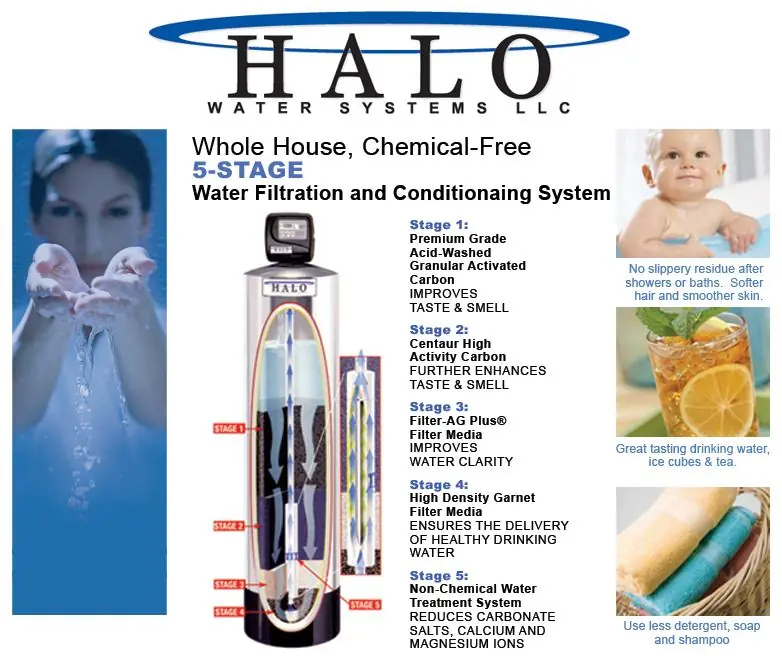
- Whole house filtration targets sediment, rust, chlorine and the taste and odor that come with them, treating every tap in the house.
- Reverse osmosis treats drinking water at one point of use and removes a far wider range of dissolved solids than a whole house filter can.
- Salt free conditioners take the opposite approach to a softener: the hardness minerals stay in the water but are treated so scale is far less likely to form. Useful where salt is not practical.
Softening and filtering are not alternatives to each other. Plenty of homes here run a softener and a filter together, because one is handling hardness and the other is handling everything else.
Why It Matters for the Rest of the House
Scale is the quiet expense. It coats the elements and the bottom of a water heater, forcing it to work harder for the same hot water. It narrows pipe interiors over years. It shortens the life of dishwashers and washing machines. Reducing hardness slows all of that down, and pairing treatment with annual water heater flushing makes a measurable difference to how long the tank lasts.
How We Approach It
We start with what you are actually trying to fix. Spotting and scale point one direction, taste and odor point another, and a household with specific drinking water concerns points to point of use treatment. Sizing matters too: a system undersized for the household regenerates constantly, and an oversized one wastes salt and water.
Contact Us
Call Family Plumbing, Heating & Air at 866-693-2645 to talk through which system fits your home and your water. We install and service treatment equipment throughout Riverside and San Diego County communities.
Ready to compare the systems head to head? Our water softener vs. whole-house filter vs. reverse osmosis guide walks the decision one problem at a time.
Frequently Asked Questions
Do I need a softener, a filter, or both?
A softener removes hardness minerals and protects your plumbing and appliances. A filter targets sediment, chlorine, taste and odor. They solve different problems, and many homes here run both. Which you need depends on what is actually bothering you about the water. The reliable way to decide is to name the complaint before naming the equipment. Scale on fixtures, spotted glassware and appliances aging early point to hardness and a softener; taste, smell or sediment at every tap point to filtration. A water test turns the guess into a number, and the number sizes whatever gets installed.
Will treating the water make my water heater last longer?
Yes, but which system does the protecting matters. Softening is what actually removes the scale forming minerals before they reach the tank; filtration alone does not touch hardness. If appliance life is the goal, a water softener paired with an annual tank flush is the combination that pays off. The distinction saves people from an expensive mismatch: a whole house filter installed to fix scale will do nothing for it, because chlorine and sediment were never the problem the tank was having. Match the system to the symptom and the heater's expected life gets measurably longer.
Is hard water a health problem?
Choosing between these systems is a comfort and cost decision, not a safety one. The calcium and magnesium behind hardness are a nuisance to pipes, appliances and skin rather than a risk to your health, so pick the equipment based on what you want the water to stop doing. That framing changes what to optimize for. Since health is not the stake, the questions become practical ones: which symptoms bother the household, what maintenance you will actually keep up with, and whether salt fits your situation. Municipal supplies already meet drinking standards; treatment is about what the water does to your home after it arrives.