
Thermostat Repair in Murrieta, CA & Surrounding Areas
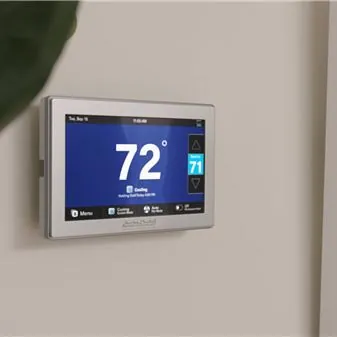
When the Thermostat Stops Listening
A blank display. A furnace or AC that ignores the setting. Rooms that overshoot the temperature you asked for, or a system that starts and stops every few minutes. All of these get called in as a broken thermostat, and sometimes that is exactly what it is. Just as often, the thermostat is the messenger for a problem elsewhere in the system, and that distinction is what a proper diagnosis is for.
What Actually Fails
The usual suspects, in rough order: dead batteries or lost power on the 24-volt circuit that feeds the thermostat; a safety float switch that has tripped because the AC condensate drain backed up, which cuts power to the stat by design and is especially common here in cooling season; a failed transformer or blown low-voltage fuse at the equipment; loose or aging wiring; and finally the thermostat itself. We diagnose the whole low-voltage circuit rather than swapping parts and hoping, so you pay to fix the actual fault.
Repair or Replace?
If a modern thermostat has failed, repair is often as simple as power, wiring or configuration. If the thermostat on your wall is an older non-programmable model, or a programmable one from the 2000s, replacement is usually the smarter money. We install thermostats as part of complete system work all the time: recent full HVAC replacements in Murrieta went out with Honeywell T6 Wi-Fi thermostats, and a Carlsbad system replacement was finished with a new Honeywell control as well.
Smart Thermostats, Wired Right
Most smart thermostats want a C wire for continuous power, and plenty of homes here do not have one at the thermostat location. There are right ways to solve that, and there are shortcuts that cause the exact symptoms you were trying to fix. We match the thermostat to your equipment, including multi-stage and heat pump systems, run or adapt the wiring properly, and set up the schedule with you before we leave. Call 866-693-2645 to get a diagnosis on the books.
Related: smart thermostat installation and upgrade, heating and air conditioning.
Frequently Asked Questions
Why is my thermostat screen blank?
Start with batteries if yours takes them. If not, the 24-volt supply from the furnace or air handler has probably dropped out: a tripped float switch from a clogged condensate drain, a blown low-voltage fuse or a failed transformer are the common causes. All are quick to diagnose with a meter. The float switch cause is worth knowing about because it is protective, not a fault: the switch cuts the thermostat circuit on purpose to stop an overflowing condensate pan from soaking your ceiling. Clearing the drain restores power and prevents the water damage the switch just saved you from. The fuse and transformer causes are inexpensive parts that simply fail with age.
Why does the room temperature never match the setting?
Sometimes calibration, but more often location: a thermostat in direct sun, near a supply vent or on a hot exterior wall reads its own microclimate instead of the house. Short cycling from an oversized or failing system produces the same complaint. The fix depends on which one it is, which is what the diagnostic visit determines. A quick self check is to hold a room thermometer beside the thermostat and compare once the readings settle. Agreement means the sensor is honest and the problem lives elsewhere in the system; disagreement means relocation or replacement. Either way the answer is measurable rather than a matter of opinion.
Do I need a C wire for a smart thermostat?
Most models want one for reliable power. Some ship with workarounds, but power-stealing setups can cause odd behavior like ghost cycling. If your wall does not have a C wire we can usually add one or use a proper adapter at the equipment, and we confirm compatibility with your system before recommending a model. Adding a C wire is routine work: where a spare conductor exists in the cable we repurpose it, and where it does not, an adapter at the equipment board carries power over the existing wires properly. Both beat the power-stealing workaround, which borrows current through the equipment relays and is the usual culprit behind unexplained clicking and ghost cycling.